

Real-time air quality monitoring devices for RMC plant compliance
RMC plants raise dust and particulate pollution through material handling, storage and vehicle movement. Our advanced AQI machine for RMC plants and highly-calibrated AQI sensors track it continuously, so plant teams can see conditions and act on data.
What does RMC air-quality compliance require?
Compliance is not governed by a single document. It spans the national pollution-control framework, state-level requirements, plant-specific consent conditions, and applicable monitoring and reporting duties.
CPCB
India's national framework for ambient air-quality management. CPCB identifies fugitive dust from dry, dusty raw materials as the major RMC air-pollution concern.
- Control fugitive dust at material-handling points
- Keep conveyors and dusty processes appropriately covered
- Use suitable dust collection and suppression systems
- Monitor ambient air quality where applicable
MPCB
MPCB provides a useful example of state-level RMC regulation. Its revised 2025 RMC guidelines prescribe environmental norms and additional pollution-control measures for RMC plants across Maharashtra.
- Monitor ambient air quality at the plant boundary
- PM10: 100 μg/m³ — 24-hour average
- PM2.5: 60 μg/m³ — 24-hour average
- Commercial plants: sensor-based monitoring for PM10 & PM2.5
- Captive plants: ambient monitoring twice a week for 24 hours
- Maintain monitoring records for inspection
Where does RMC pollution come from?
RMC plants handle, store and move large quantities of dry materials. Activities across the plant can generate fugitive dust and particulate pollution, so it matters where emissions originate and what needs monitoring.
Material handling

Receiving, unloading and transferring dry raw materials disturbs fine particles and releases fugitive dust.
Aggregate & sand
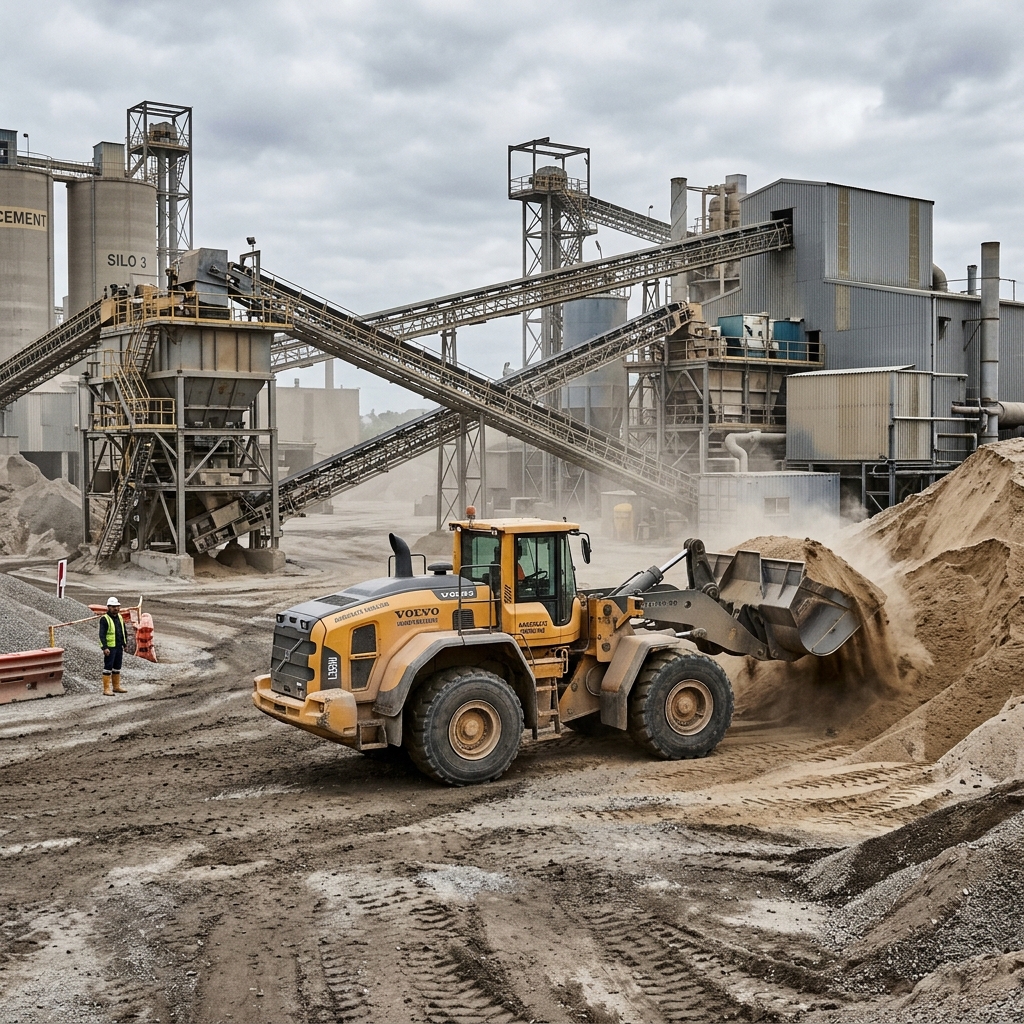
Stockpiles, loaders and conveyor transfer points generate airborne dust as aggregates and sand are moved.
Cement & fly-ash
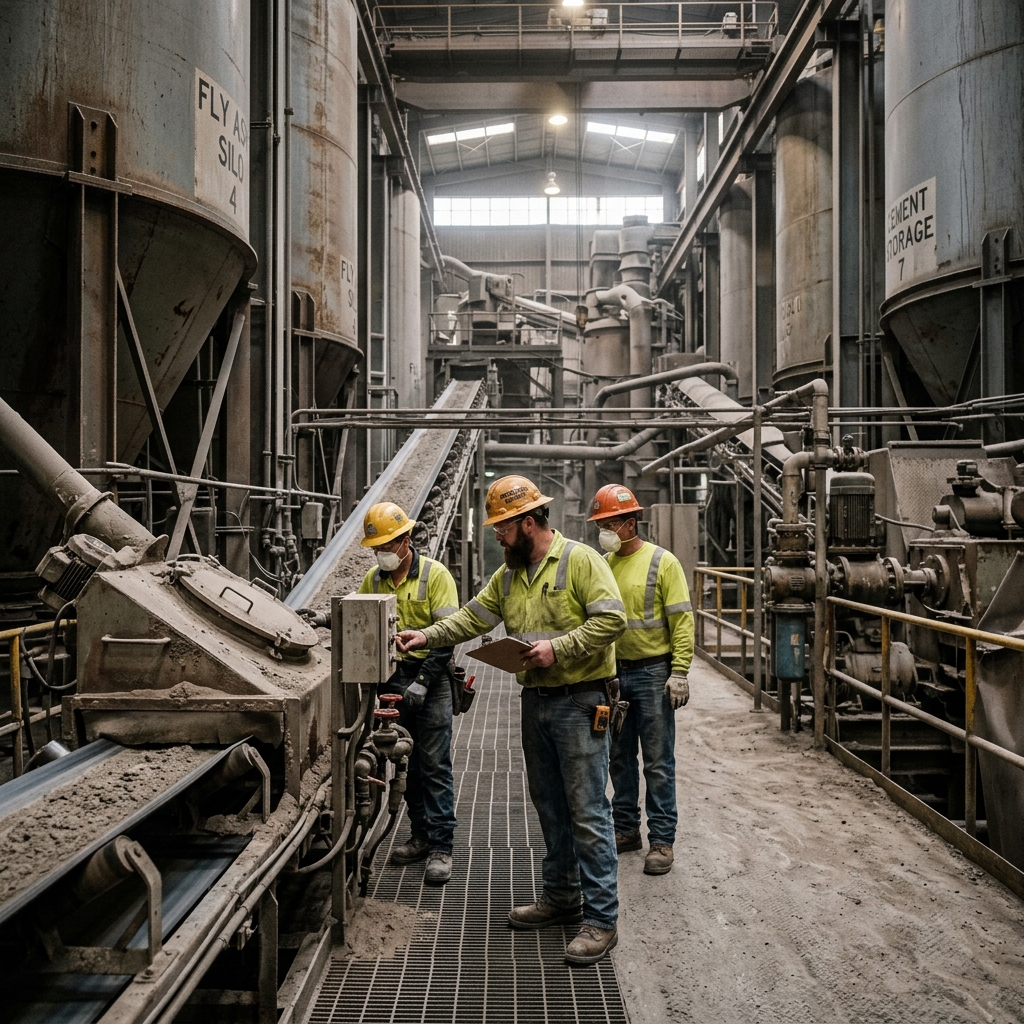
Fine, dry materials release particulate matter during storage, transfer and handling when dust control is inadequate.
Vehicle movement
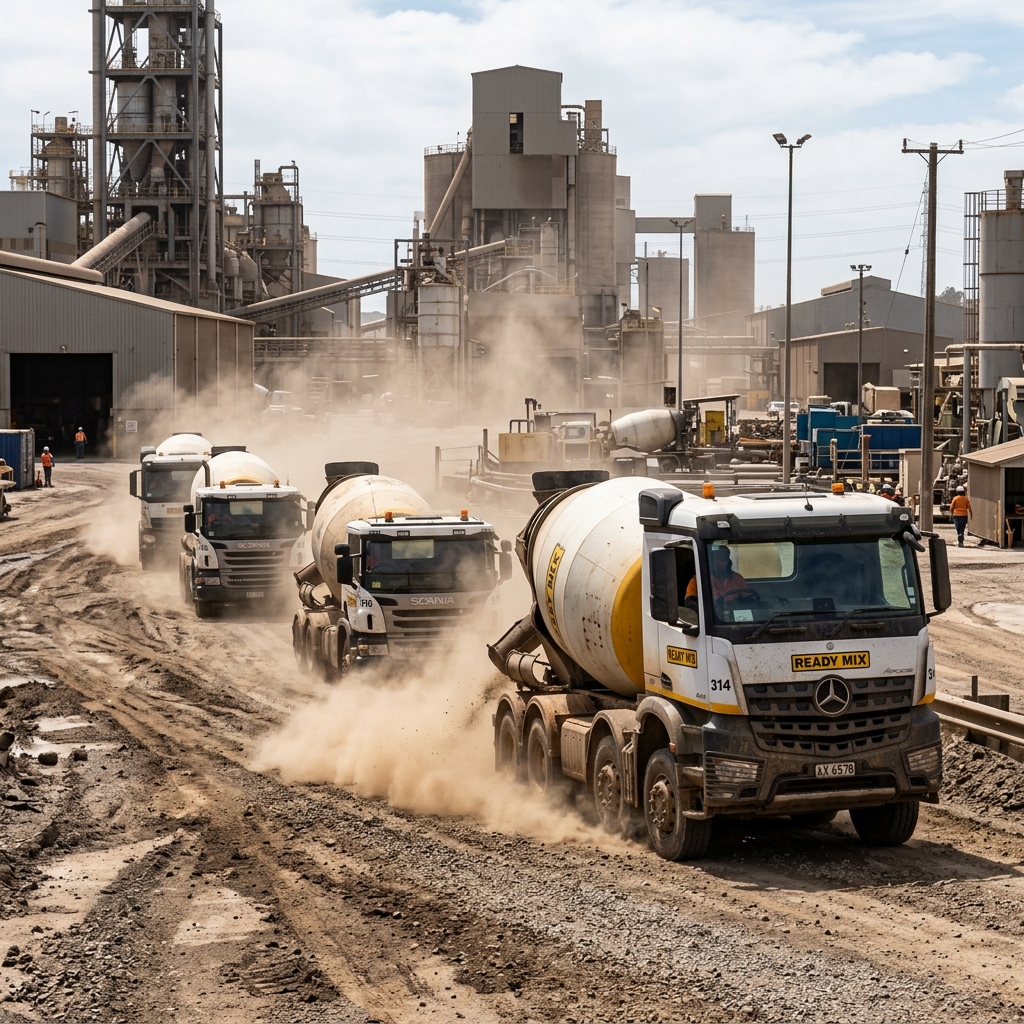
Trucks and transit mixers resuspend settled dust from internal roads, alongside other plant operations.
Why continuous monitoring matters
RMC operations generate particulate pollution through material handling, storage, batching and vehicle movement. Understanding its impact is why continuous air-quality monitoring matters.
The impact of RMC air pollution
RMC plant activities can generate particulate pollution such as PM10 and PM2.5, along with other pollutants from vehicle and equipment operations. These pollutants can increase airborne dust, affect local air quality and contribute to environmental pollution.
PM10 is mainly associated with larger dust particles from material handling, aggregate movement and vehicle activity, while PM2.5 consists of finer particles that can remain airborne for longer and penetrate deeper into the respiratory system.
Surrounding community concerns
RMC plants operate close to communities, making fugitive dust and particulate emissions an important concern. Elevated dust levels can contribute to complaints from nearby residents and affect the surrounding environment.
On-Site workers concerns
Workers can be exposed to particulate pollution during material handling, vehicle movement and other plant activities. Continuous air-quality visibility can help plant teams identify changing conditions and take appropriate action.
What should an RMC plant monitor?
Parameters
iOther Applicable Parameters
Depending on the plant's location, monitoring objective, consent conditions and applicable regulatory requirements, additional air-quality or environmental parameters may also be monitored.
Parameters monitored may vary depending on the plant's location, monitoring objective, consent conditions and applicable regulatory requirements.

From air-quality monitoring to actionable insight
Atmos AQ Pro brings together on-site monitoring, real-time data visibility and reporting, so RMC plant teams can understand conditions and manage air-quality data more effectively.
Monitor
Atmos AQ Pro
Continuously monitor relevant air-quality and environmental parameters at the RMC plant and capture real-time data from the field.
Manage
Real-Time Data
View live air-quality data, track historical trends, analyse changing conditions and access monitoring information through the Respirer dashboard.
Mitigate
Turn Data Into Action
Use air-quality trends and observed patterns to identify changing conditions and support informed mitigation actions at the plant.
How Respirer Turns RMC Air Data Into Action
On-site display
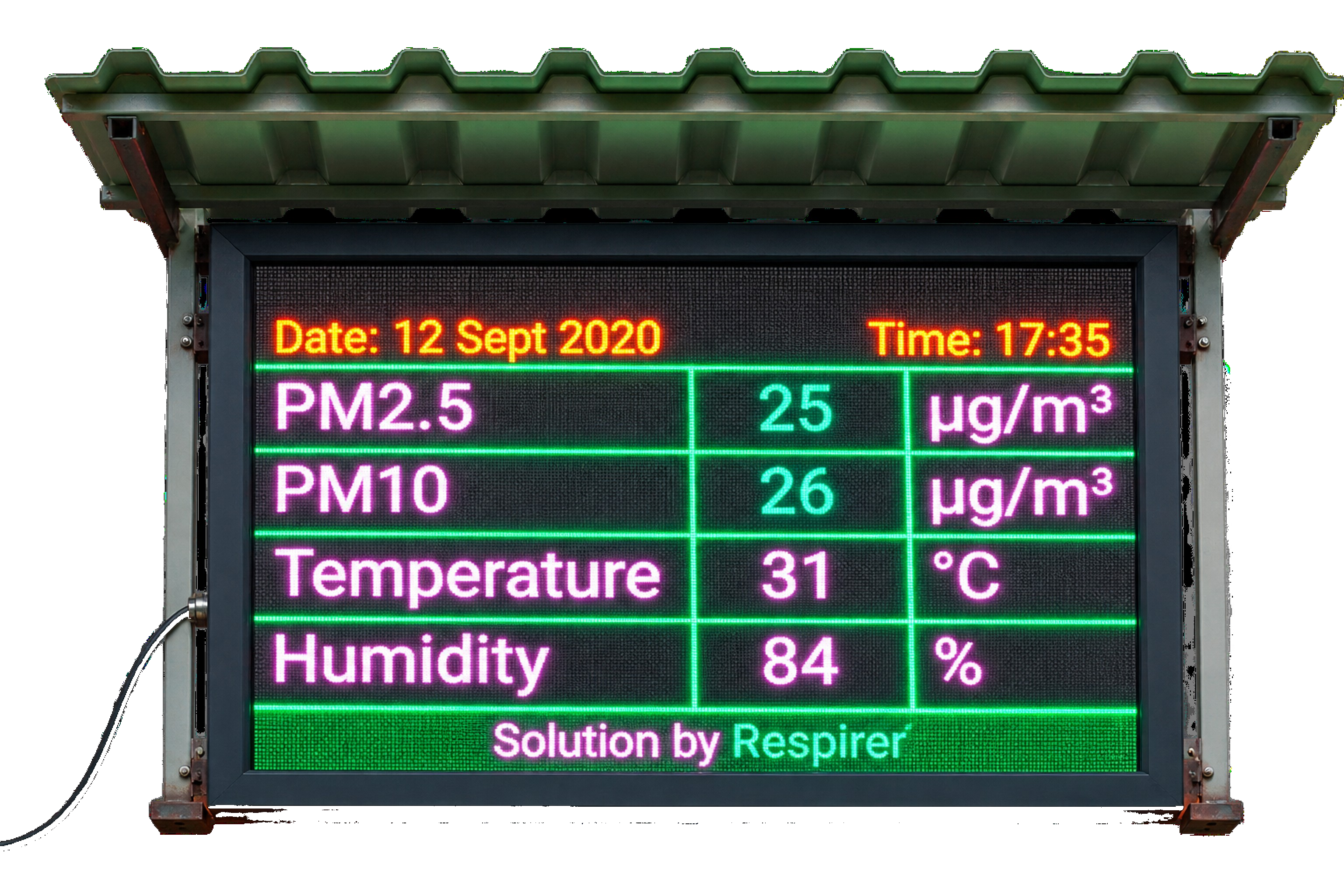
View air-quality readings directly at the RMC plant, giving operators and site teams immediate visibility into monitored conditions.
Live dashboard
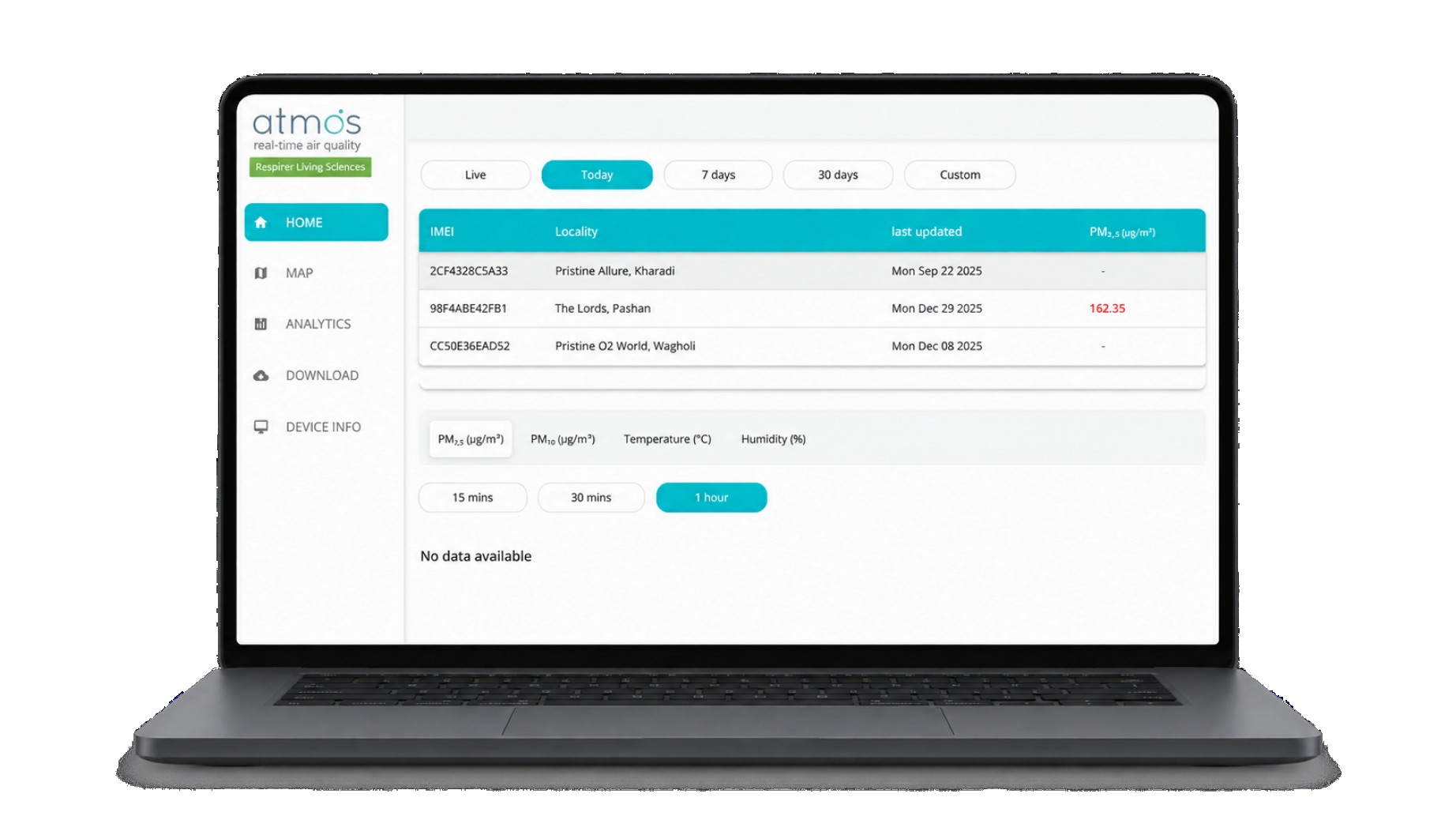
Access current and historical air-quality data through a centralized dashboard, making it easier to track trends and review plant-level environmental conditions.
Mobile app
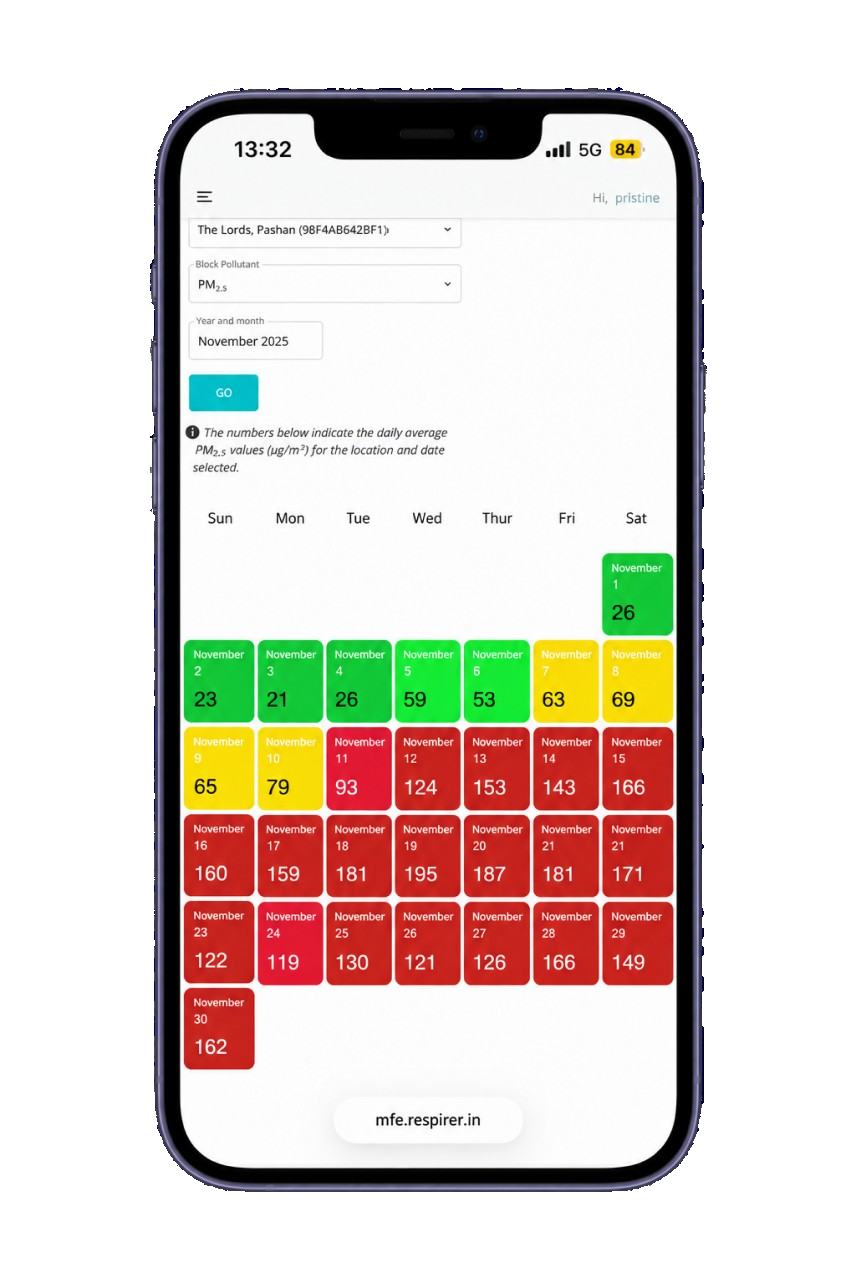
Access monitoring information remotely through the mobile application, allowing plant managers and relevant teams to stay informed even when they are away from the monitoring location.
Real-time monitoring
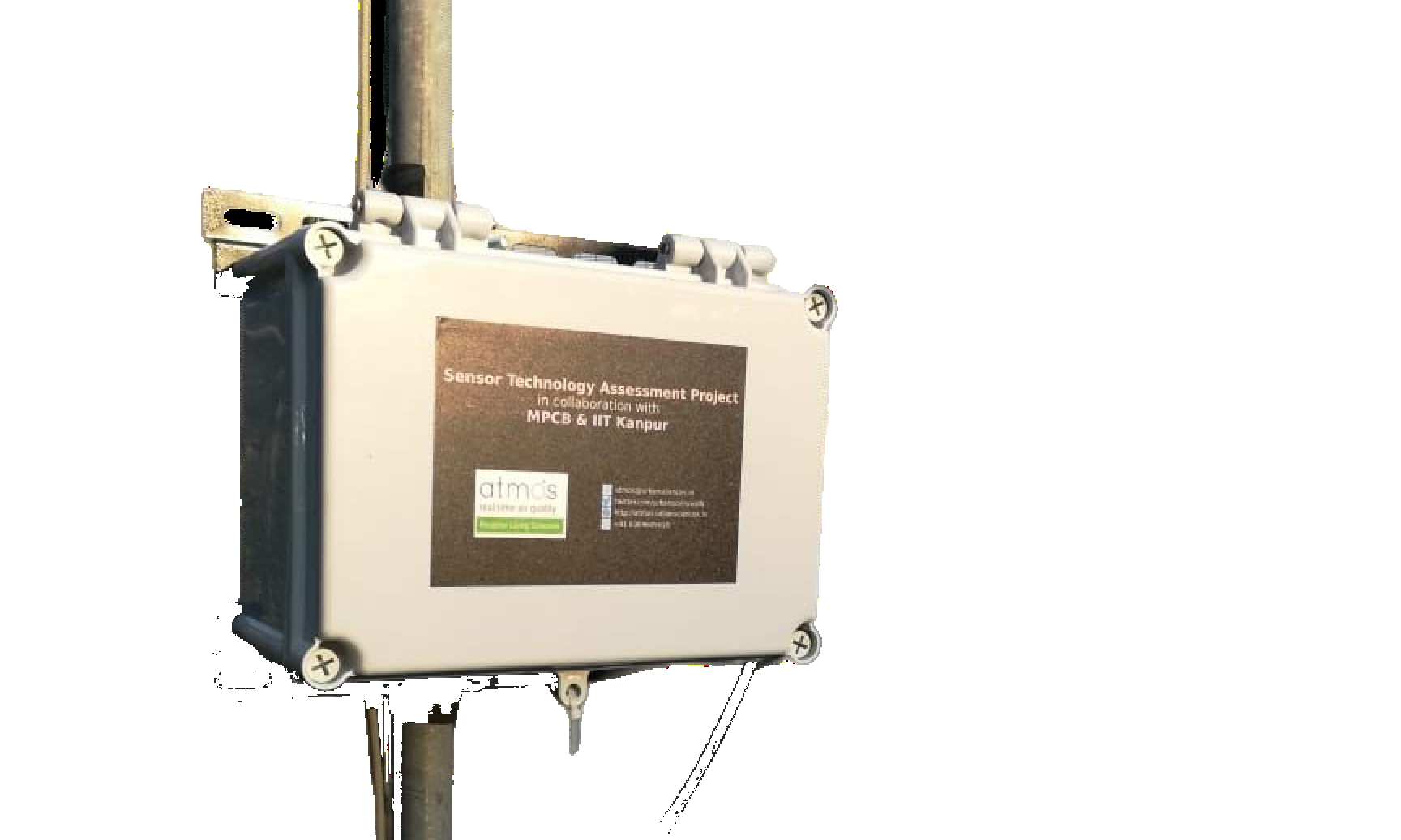
Continuously monitor key air-quality parameters and track changes as environmental conditions evolve.
Dashboard & analytics
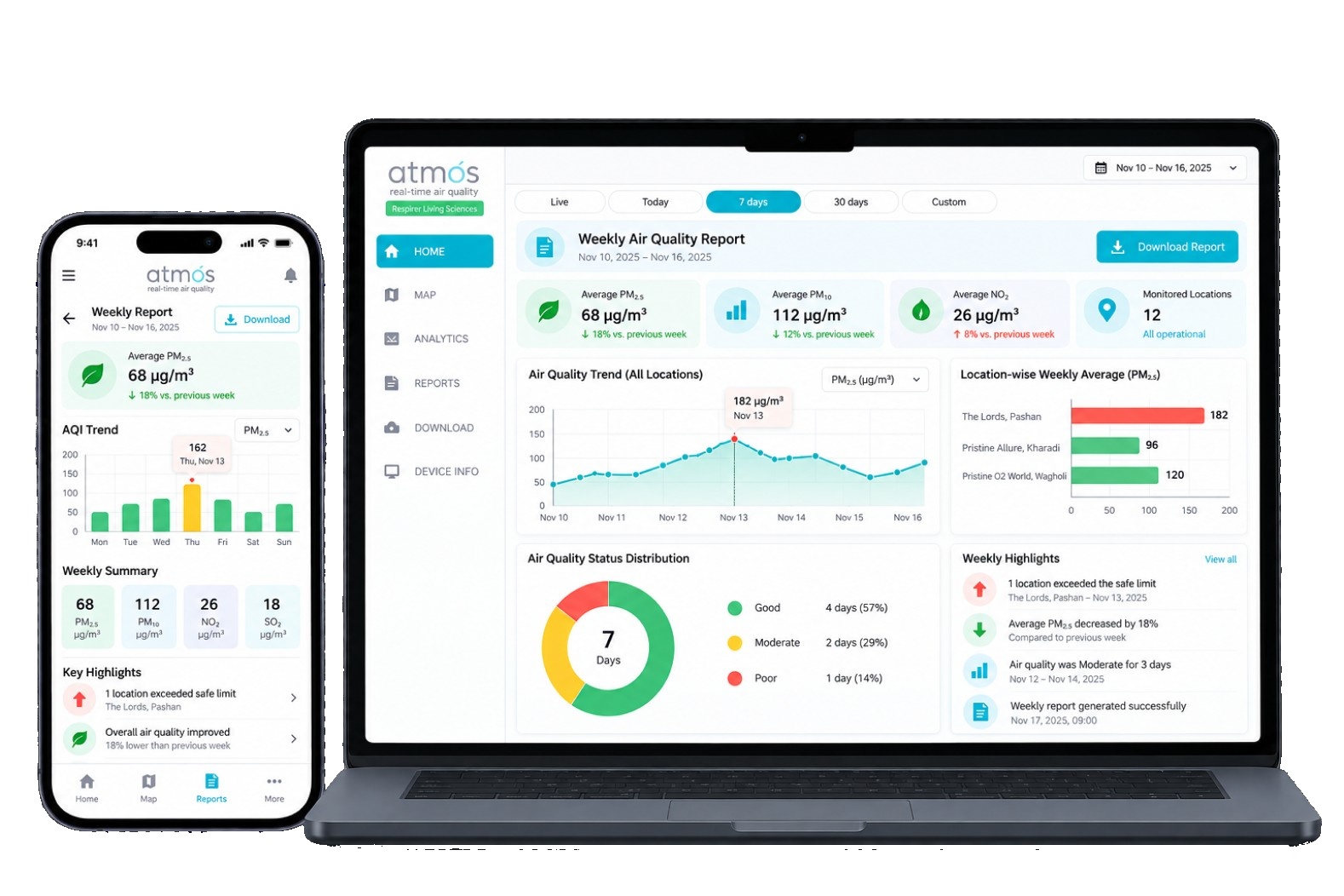
Identify changes and trends in air-quality data through alerts and analytics, helping teams investigate potential pollution events and take informed action.
Weekly reports
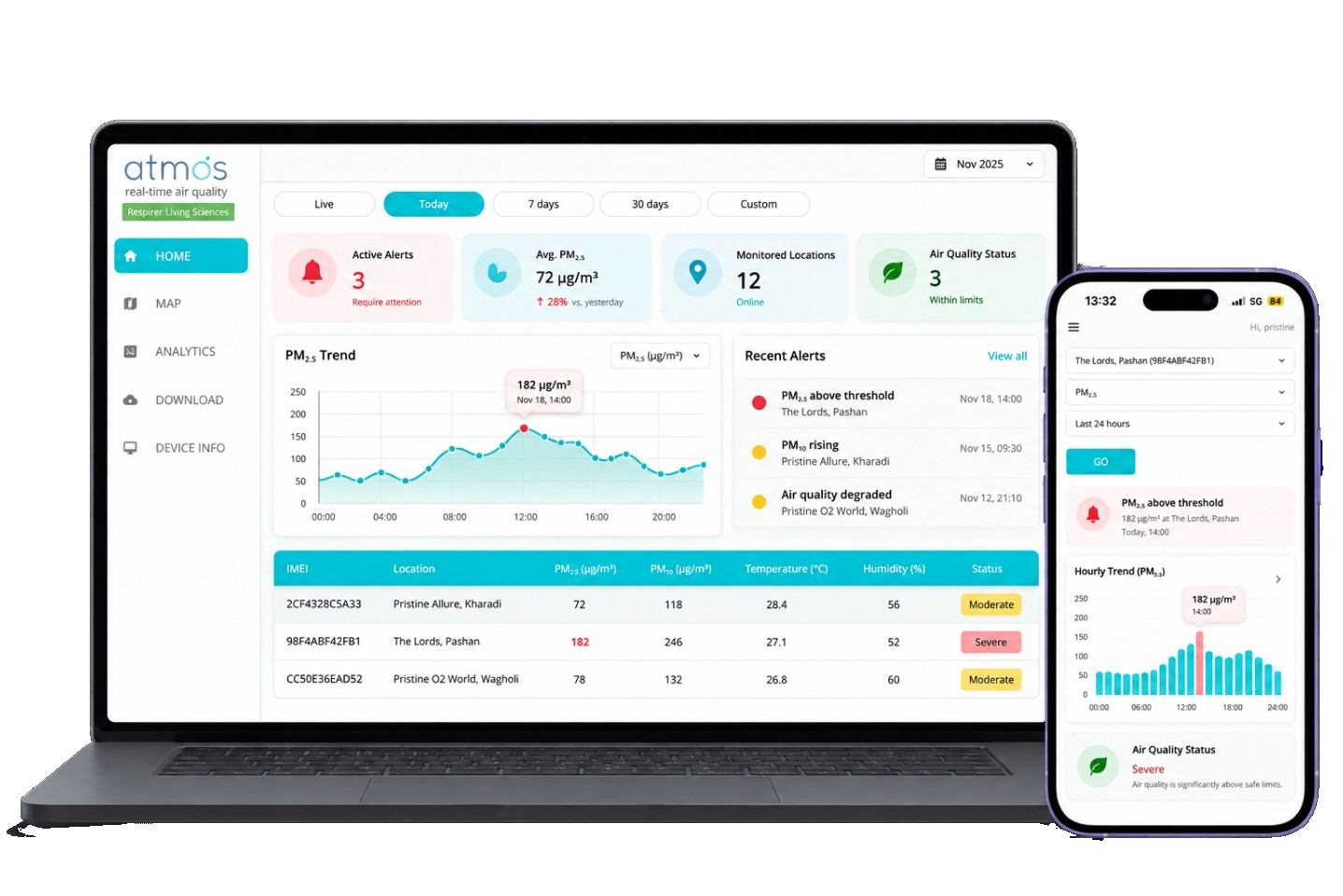
Receive periodic air-quality summaries that help plant teams review monitoring performance, understand trends and maintain environmental records.
Trusted for reliable, real-time air-
quality data
Respirer's monitoring solutions are deployed across organizations and environments where dependable, real-time environmental data is essential.










Customer Testimonial
Respirer's continuous environmental monitoring system has been a valuable addition to our project. The air quality and noise monitoring sensors provide real-time data, while the display boards ensure clear communication of environmental parameters. The equipment has performed consistently, and the team's technical support has been prompt and professional. We appreciate their contribution towards effective environmental management and regulatory compliance. Additionally, whenever there has been any issue or disruption in service, the Respirer team has responded promptly, personally reviewed the situation, and ensured timely resolution, demonstrating a strong commitment to customer support and service excellence.
— Suzan Stenita Jathanna • Environmental Engineering Manager
Larsen & Toubro Ltd | L&T Construction
Mumbai Coastal Road North-Package E
Real-time monitoring
Continuous visibility of air-quality conditions.
Compliance support
Reliable monitoring data and reporting to support applicable requirements.
Data-driven management
Use air-quality trends and patterns to support informed action.
Ready to Take Control of Your RMC Plant's Air Quality?
Monitor continuously. Manage your data. Mitigate with insights.
Monitor air quality continuously, manage environmental data effectively and take informed action when conditions change.
RMC air-quality monitoring, answered
Is your RMC plant ready for real-
time air quality monitoring?
Monitor air quality. Understand your data. Make
informed environmental decisions.